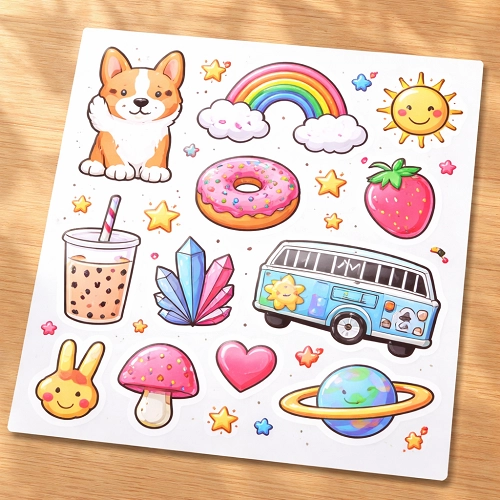
What Is Release Paper for Stickers?
A release paper is a foundational component in sticker and decal production that many consumers and even some makers don’t fully understand. Although it’s often overlooked, release paper plays a critical role in protecting, storing, and dispensing stickers — from the moment they’re printed until they’re applied. This article explores what release paper is, how it works, the different types, why it matters, and how to choose the right kind for your stickers.
What Is Release Paper?
At its core, release paper (also called liner paper or backing paper) is a type of paper coated with a specialized, low‑tack release agent — usually silicone or another slick substance. This coating allows sticky adhesives on labels and stickers to reliably peel off cleanly without leaving residue or tearing the paper.
Release paper serves as the protective barrier between the adhesive side of a sticker and the outside environment before the sticker is applied.
Anatomy of a Sticker: Where Release Paper Fits
A typical self‑adhesive sticker consists of three layers:
- Face Material (Top Layer): The printed artwork or design — vinyl, paper, or specialty materials.
- Adhesive Layer: The sticky glue that allows the sticker to adhere to surfaces.
- Release Paper (Bottom Layer): The protective liner that keeps the adhesive from sticking prematurely.
Without release paper, the adhesive layer would bond to everything it touched, making stickers unusable until applied.
How Release Paper Works
The secret lies in surface chemistry:
- The release side of the paper is coated with a release agent (typically silicone).
- This coating creates a surface that the adhesive won’t strongly bond to.
- When you peel the sticker away, the adhesive sticks to the sticker but releases easily from the paper.
This might sound simple — but engineering the right balance of tackiness and ease of release is key. Too little release action and the sticker tears or sticks; too much release and the sticker won’t transfer cleanly.
Common Types of Release Paper
Release paper comes in different forms, depending on how the stickers are manufactured and used:
1. Glassine Release Paper
- Smooth, semi‑transparent paper.
- Common in many printable sticker sheets and craft projects.
- Affordable and widely available.
2. Silicone‑Coated Kraft Paper
- Usually thicker and more durable.
- Excellent for roll labels and professional sticker production.
- Coated on one or both sides with silicone.
3. Perforated Release Paper
- Designed for sticker sheets where you tear out individual stickers.
- The liner has perforations or micro‑cuts that match the sticker shape.
4. Double‑Sided Release Paper
- Used when a sticker sheet has two adhesive surfaces.
- Both sides have release coatings to prevent unwanted sticking.
How Release Paper Is Made
While the detailed industrial process varies, the basic steps include:
- Base Paper Production: Selecting or manufacturing a sturdy paper base.
- Coating: Applying a controlled layer of release agent (often silicone).
- Drying and Curing: Ensuring the coating is stable and consistent.
- Rewinding: Preparing rolls or sheets for use in printing and converting.
The coating process is precise because thickness, uniformity, and adhesion properties all influence final performance.
Why Release Paper Matters
Release paper isn’t just a throwaway backing — it affects:
Sticker Performance
Good release paper ensures stickers:
Peel cleanly
Don’t tear during handling
Are easy to apply
Don’t stick prematurely
Production Efficiency
In manufacturing:
Releases smoothly from dies and cutters
Prevents misfeeds in printers
Reduces jams and waste
Ink and Surface Protection
For printed stickers, release paper:
- Prevents smudging
- Protects finishes during shipping
- Maintains quality until sale or use
Choosing the Right Release Paper
When deciding which release paper to use for your stickers, consider:
| Factor | What to Think About |
| Sticker Material | Vinyl? Paper? Fabric? Different surfaces bond differently. |
| Printer Type | Inkjet, laser, or professional press may need specific liners. |
| Application | Sheet stickers, roll labels, individual decals, or specialty shapes. |
| Environmental Conditions | Heat, humidity, and storage time affect release properties. |
| Cost & Availability | Balance performance with budget — especially for small runs. |
Storage & Handling Tips
To keep release paper working its best:
- Store flat or on rolls — avoid creases.
- Avoid heat and humidity — can affect the liner and adhesive.
- Keep in original packaging until use.
- Don’t peel until you’re ready to apply.
Sustainability Considerations
Release paper is often not recyclable if heavily coated with silicone.
However:
- Some manufacturers now offer eco‑friendly liners.
- Recycled paper bases can reduce environmental impact.
- Awareness of liner waste is growing in craft and industrial markets.
Frequently Asked Questions
Q: Can I stick a sticker without release paper?
No — without a release liner, the adhesive side would bond to everything before intended use.
Q: Why won’t my stickers peel cleanly?
Possible causes:
- Incorrect release paper for the adhesive
- Poor coating quality
- Storage in hot/humid conditions
Q: Is release paper the same as transfer tape?
No — release paper is the backing that protects the adhesive. Transfer tape is a separate material used in vinyl cutting to transfer a cut design to a surface.
Release paper might seem simple — just the backing on your stickers — but it’s a key technical component that ensures stickers work properly and look great. Whether you’re creating stickers as a hobbyist, running a small business, or manufacturing at scale, understanding release paper helps you make better‑informed choices and produce higher‑quality results.